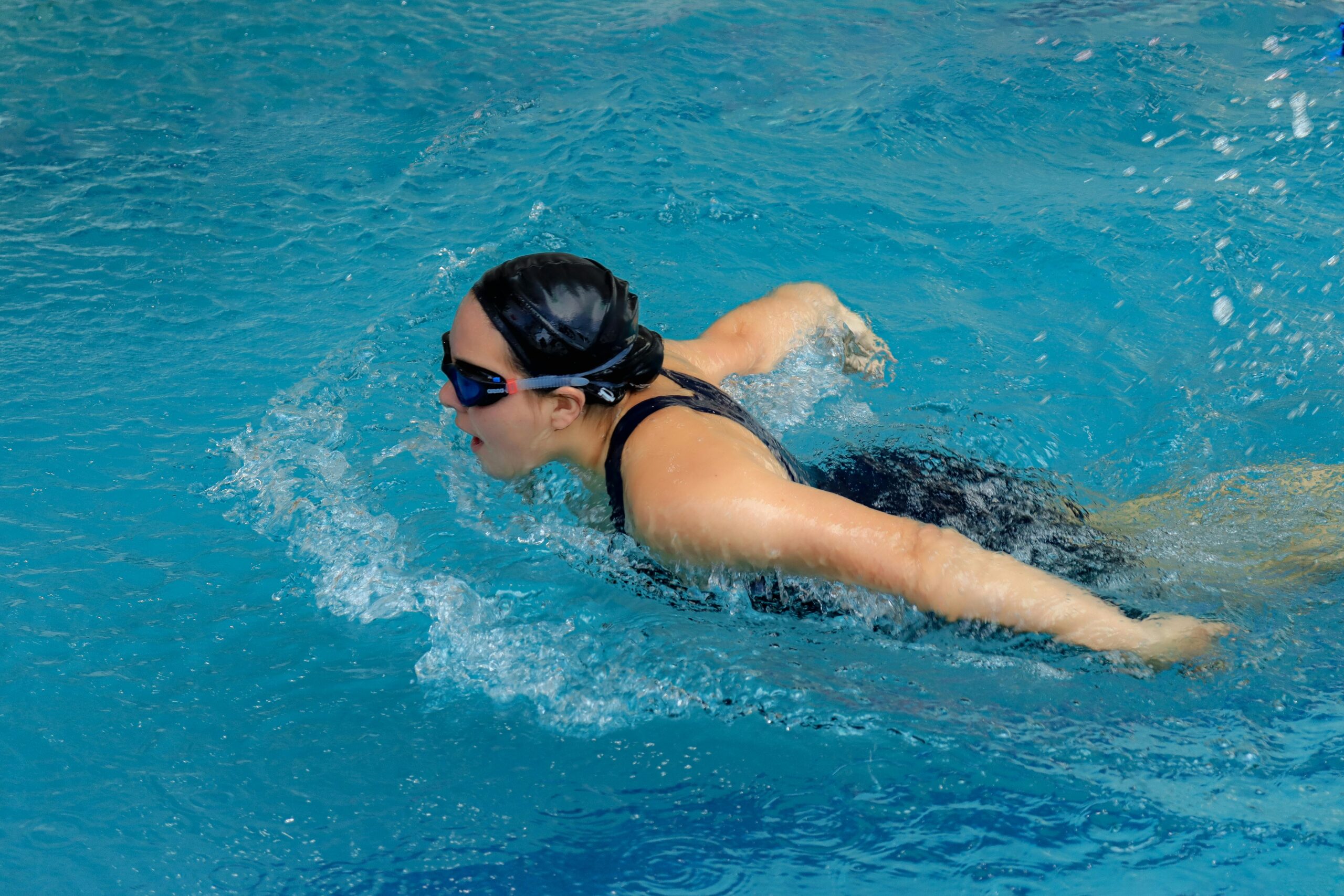
How Swim Spas Help Athletes Stay Game-Ready All Year Long
Young athletes today are training more intensely than ever before. Between club teams, school sports, private coaching, and year-round tournaments, many kids are essentially in a constant cycle of performance preparation.
It’s not unusual for a young soccer or hockey player to have multiple practices per week plus weekend games, travel, and conditioning sessions stacked on top. That level of activity used to be something only elite athletes experienced, but now it’s becoming the norm at much younger ages.
The challenge is that young bodies are still developing. Bones are lengthening, joints are stabilizing, and muscles are constantly adapting to growth spurts. When high-impact training stacks up without enough recovery, the result is often soreness, fatigue, and overuse stress.
Parents start noticing it first: slower recovery, more complaints of tightness, and sometimes even early signs of injury. Training harder isn’t always the answer. Training smarter is where long-term performance really begins.
INTRODUCING SWIM SPAS FOR ATHLETIC DEVELOPMENT
A swim spa blends the compact convenience of a hot tub with the functional space of a pool. Instead of needing long lap lanes, it creates a continuous water current that allows athletes to swim, jog, or perform resistance exercises in place.
Think of it like a treadmill, except you’re moving through water instead of on a belt. That water resistance naturally adjusts to effort, meaning the harder you work, the more challenging it becomes.
Families often ask how they can support their young athlete’s performance without adding more strain to already busy training schedules. Swim spas consistently come up as one of the most versatile solutions. They don’t just serve one purpose. They support conditioning, recovery, and family wellness all in one system. That flexibility is exactly why more Alberta families are exploring them as part of their home training environment.
THE SCIENCE OF LOW-IMPACT WATER TRAINING
Water changes everything about how the body experiences movement. Because of buoyancy, the body feels significantly lighter in water than on land. In deeper immersion, athletes can experience a major reduction in joint loading, sometimes up to a large percentage of body weight being supported by water itself.
This means knees, hips, and ankles take far less stress during movement. For young athletes who are still growing, that reduction in impact is incredibly valuable.
Water resistance and endurance building
Water isn’t just supportive; it’s also resistant. Every movement pushes against natural resistance that increases with speed. Unlike weights or machines that move in one direction, water challenges the body from all angles. That creates constant muscle engagement and forces the cardiovascular system to work efficiently.
Over time, this combination builds endurance while protecting the body from repetitive stress injuries often seen in land-based training.
Cardiovascular conditioning in water
One of the biggest benefits of swim spa training is cardiovascular conditioning. Athletes can maintain elevated heart rates through continuous swimming or water running without the repeated pounding of running on pavement or turf. The result is improved stamina and aerobic capacity without the same wear on joints and connective tissue. It’s intense training, just without the harsh impact.
Interval and resistance-based workouts
Swim spas also make interval training highly effective. Athletes can alternate between short bursts of high effort against the current and active recovery periods. This builds both aerobic and anaerobic endurance.
Common examples include sprint swims, water jogging intervals, and resistance circuits combining upper and lower body movement. It’s structured training that adapts easily to different sports and skill levels.
SPORT-SPECIFIC BENEFITS FOR YOUNG ATHLETES
It seems like there are endless types of sports that young athletes can join. Let’s dive into just a few specific ones and see how a swim spa will benefit them.
Hockey, soccer, and basketball applications
High-impact sports like hockey, soccer, and basketball involve constant sprinting, stopping, jumping, and direction changes. In a swim spa, athletes can mimic these movement patterns without the pounding forces.
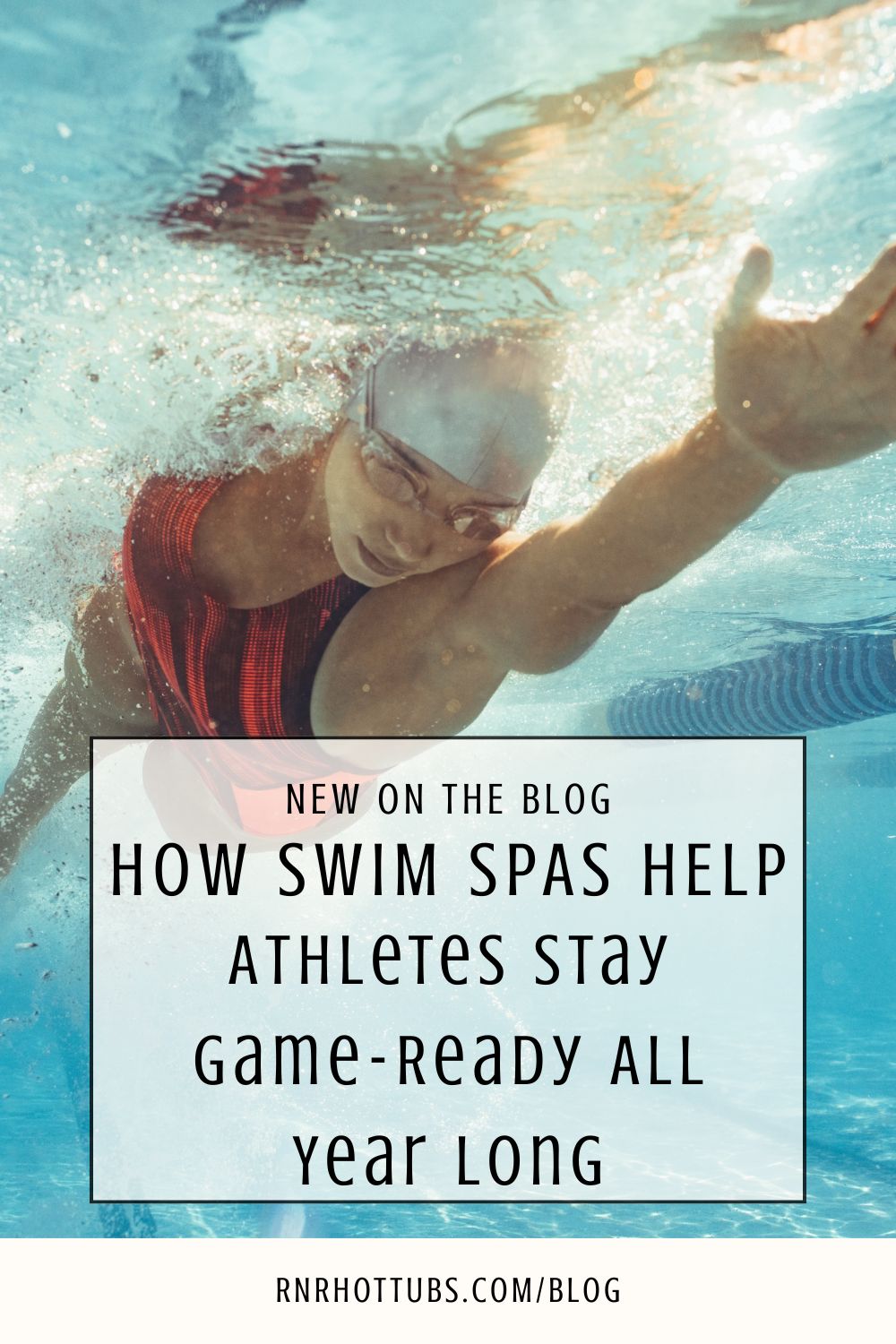
Hockey players can build skating strength through resistance kicks, soccer players can maintain running conditioning with water jogging, and basketball athletes can work on explosive endurance without stressing their knees.
Running, dance, and gymnastics benefits
Runners often use water-based training to maintain conditioning during recovery periods or injury prevention phases. Dancers and gymnasts benefit from improved flexibility, balance, and controlled strength development. The water environment supports movement quality while reducing the risk of overloading joints during repetitive training cycles.
RECOVERY, INJURY PREVENTION, AND MENTAL HEALTH ADVANTAGES
Recovery plays a critical role in how young athletes perform and progress over time. Swim spas offer a supportive environment where the body can rest while still engaging in gentle movement that promotes circulation and reduces muscle tightness.
The warm water helps ease physical tension and encourages relaxation, which can be especially beneficial after intense training or competition. By lowering overall impact on joints and allowing muscles to recover more efficiently, swim spa sessions can support better balance between training effort and physical recovery.
Hydrotherapy and muscle recovery
Training is only half the equation. Recovery is where progress actually settles into the body. Warm water hydrotherapy helps relax tight muscles, improve circulation, and reduce post-training soreness.
Many athletes use swim spas for light movement recovery sessions that keep the body loose without adding stress. Studies on aquatic recovery consistently highlight improved comfort and reduced muscle tension after immersion.
Supporting long-term joint health
Because swim spa training reduces repetitive impact, it can help support long-term joint health. That doesn’t mean injuries are eliminated, but it does mean athletes can balance training volume more effectively. Supporting stabilizing muscles, improving mobility, and reducing overuse strain all contribute to healthier movement patterns over time.
Motivation and training consistency
One of the biggest challenges for young athletes is consistency. Training environments that feel repetitive or exhausting can reduce motivation over time. Swim spas change that dynamic. The water environment feels different, engaging, and even enjoyable. Many families find that athletes are more willing to train when it doesn’t feel like another high-impact grind.
Reducing stress in young athletes
Sports today come with pressure. From coaches, teams, tournaments, and academic responsibilities. Swim spa sessions can provide a calmer training environment where athletes can focus on movement rather than competition. That mental break often improves overall performance because it reduces burnout and helps maintain long-term enthusiasm for sport.
YEAR-ROUND TRAINING IN ALBERTA WEATHER CONDITIONS
In Alberta, winter is not just a season. It can be a training obstacle. Outdoor fields are covered in snow, temperatures drop significantly, and travel becomes more difficult. Even indoor facilities can become crowded or limited in availability. That makes consistent training harder to maintain during crucial development periods.
A swim spa solves that problem by bringing training home. Athletes can maintain conditioning regardless of weather conditions or facility access. Whether it’s winter, spring, summer, or fall, the training environment stays consistent. That consistency often matters more than occasional high-intensity sessions because it supports steady, long-term progress.
Families often discover that a swim spa quickly becomes more than just athletic equipment. It becomes a shared wellness space. Athletes use it for conditioning and recovery, parents use it for relaxation and stress relief, and siblings often enjoy it for recreation. It becomes part of everyday life rather than a single-purpose purchase.
Supporting whole-family health
Our focus is not just on selling spas; it’s about helping families build healthier lifestyles. Swim spas support movement, recovery, and relaxation in one system. That combination helps families stay active together while also supporting young athletes in a way that aligns with long-term wellness rather than short-term intensity.
Young athletes don’t just need more training. They need better-balanced training. Swim spas offer a way to build endurance, strength, and recovery habits without constantly increasing physical stress. By combining resistance-based movement with joint-friendly support, they help athletes train consistently while protecting their growing bodies. For families in Alberta dealing with busy schedules and long winters, that kind of flexibility can make a real difference.
At RnR Hot Tubs & Spas, swim spas are seen as more than backyard features. They’re tools for healthier training, smarter recovery, and stronger long-term performance.
You can visit us at Bay 8 – 5700 Barlow Trail SE in Calgary.
Servicing all makes and models, including Vita Spa, American Whirlpool, and Maax Spas.
Now servicing Calgary, Airdrie, Strathmore, Okotoks, High River, Chestermere, Invermere, Banff, Canmore, Radium, Golden, and the surrounding areas.
Be the first to comment